


-
By kanansteel.hallo@gmail.com
-
October 28, 2026
- 0 Comment
Common Construction Project Challenges and How to Overcome Them
Construction projects involve many moving parts, from planning and budgeting to material procurement, contractor coordination, and on-site installation. Even a well-planned project can encounter unexpected challenges that affect its schedule, costs, quality, and overall progress.
For builders, project managers, developers, and construction companies in Australia, managing these challenges is essential to keeping work organised and achieving the intended project outcomes. Some problems arise from incomplete planning, while others result from changing requirements, material availability, labour constraints, or communication gaps between project stakeholders. Understanding these common construction project challenges can help businesses identify risks earlier, make better decisions, and reduce avoidable disruption.
"In this guide, we explore seven challenges commonly encountered during construction projects and practical ways to manage them effectively."
1. Construction Delays and Missed Deadlines
Project delays are a major concern for construction businesses because one late activity can affect several subsequent stages of work. For example, if structural steel components are not ready when required, installation may need to be rescheduled. This can affect labour arrangements, equipment bookings, and the work of other contractors. Delays may arise from incomplete drawings, late approvals, material supply issues, changes to project requirements, or poor coordination between teams.
How to overcome this challenge
Develop a realistic project schedule. Break the project into key stages and establish clear milestones for design, procurement, fabrication, delivery, and installation.
Identify critical activities. Understand which tasks could affect the overall completion date if they fall behind schedule.
Monitor progress regularly. Compare actual progress against planned milestones and investigate delays as soon as they become apparent.
Coordinate suppliers and contractors. Confirm responsibilities, delivery dates, site readiness, and dependencies between activities.
Prepare contingency plans. Identify alternative arrangements for foreseeable risks without compromising quality or safety.
Early communication and realistic scheduling can help project teams respond to problems before they affect the entire construction programme.
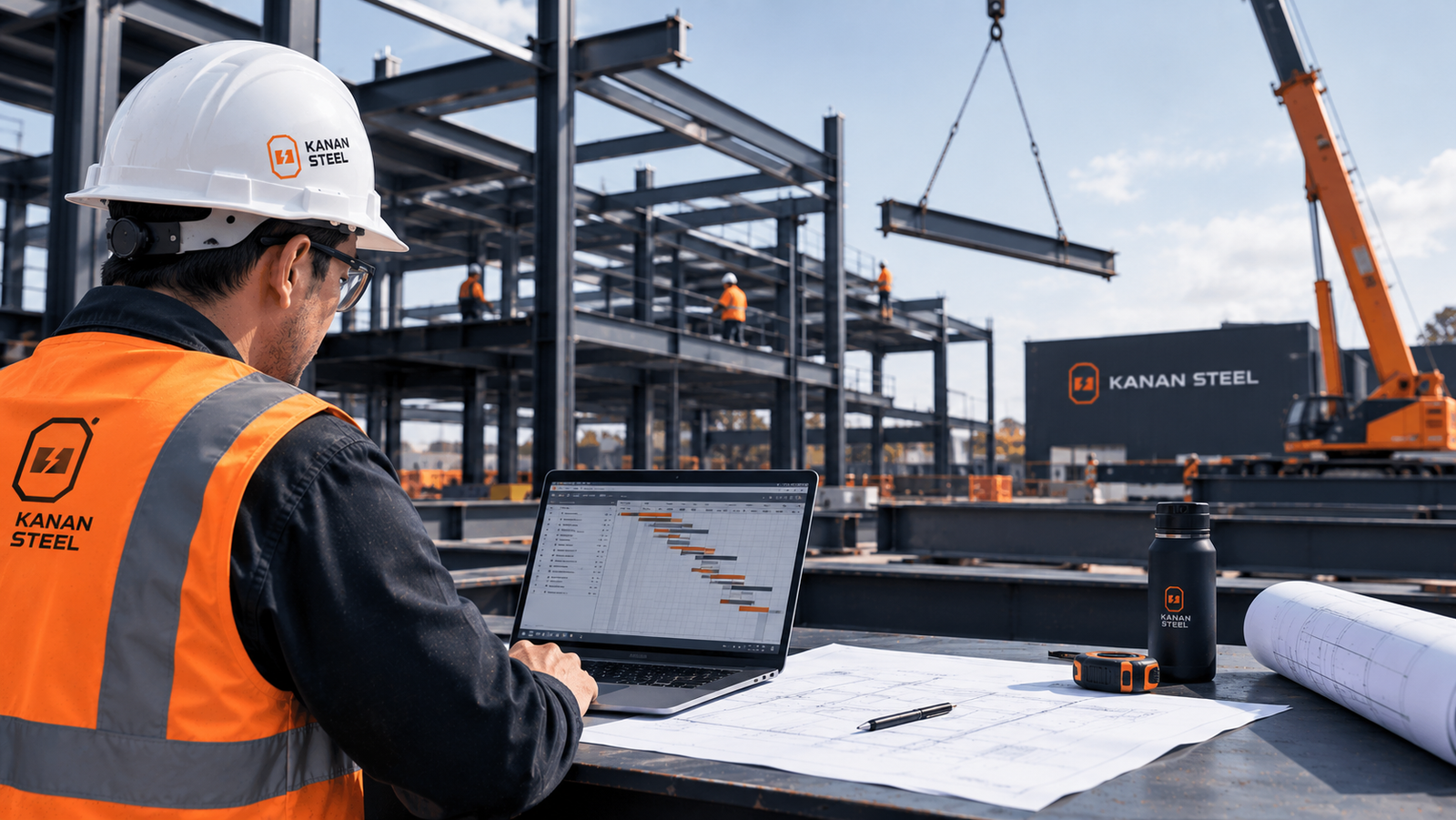
2. Budget Overruns and Unexpected Costs
Keeping a construction project within budget can be difficult when the scope changes, material prices fluctuate, or unexpected work becomes necessary. Initial estimates may also exclude important activities such as transport, equipment hire, finishing, installation, or additional inspections. When these items are identified late, the project team may face difficult decisions about costs, timing, and available resources.
How to overcome this challenge
Start with a clearly defined project scope and an estimate that reflects the actual work required. Before committing to suppliers or contractors, clarify what is included in each quotation and identify any exclusions or assumptions. Other practical measures include:
Establishing a budget for each major project package.
Reviewing procurement costs and material requirements early.
Tracking approved variations and their financial impact.
Maintaining a record of commitments, invoices, and forecast expenditure.
Reviewing contingency allowances against identified project risks.
Obtaining approval for scope changes before proceeding with additional work.
The lowest initial quotation is not necessarily the most economical option. A more meaningful comparison considers the complete scope, expected quality, delivery requirements, and potential additional costs.
3. Material Availability and Supply Chain Problems
Construction projects depend on the timely availability of materials, equipment, and specialist components. Supply problems can occur when products are difficult to source, specifications change, suppliers experience disruptions, or procurement starts too late. For steel construction, material availability can influence fabrication planning, production sequences, and delivery schedules.
How to overcome this challenge
Identify important materials and long-lead items during the early planning stage. Confirm availability, specifications, estimated delivery dates, and procurement responsibilities with the relevant suppliers.
Where appropriate, project teams should also:
Prepare a procurement schedule aligned with construction milestones.
Monitor orders and delivery commitments.
Identify critical materials that could affect the programme.
Evaluate alternative supply options where suitable.
Obtain the necessary technical approvals before substituting specified products.
Communicate changes in availability to the project manager and affected contractors.
Effective procurement planning helps the team understand potential supply risks and take action before they disrupt site activities.
4. Poor Communication and Contractor Coordination
Construction projects often involve clients, architects, engineers, builders, fabricators, subcontractors, and suppliers. When these parties work with different assumptions or incomplete information, misunderstandings can lead to duplicated work, incorrect installations, delayed approvals, and unnecessary costs. For example, a design revision may be approved by one party but not communicated to the contractor responsible for manufacturing or installing the affected components.
How to overcome this challenge
Establish clear communication procedures at the beginning of the project.
Define who is responsible for approving drawings, responding to technical questions, communicating changes, and reporting progress.
Useful practices include:
Holding regular coordination meetings.
Recording decisions and assigning action owners.
Maintaining a central source for current project documents.
Using a formal process for technical queries and design changes.
Sharing updated schedules with relevant stakeholders.
Escalating unresolved issues before they affect critical activities.
Good coordination is not simply about communicating more often. It is about ensuring that the right people receive accurate information at the right time.
5. Design Changes and Incomplete Project Information
Changes are sometimes unavoidable during construction. A client may revise requirements, an engineer may identify a technical issue, or site conditions may differ from the original assumptions.
However, changes introduced after procurement or fabrication has started can create additional work and affect the schedule.
Incomplete drawings and unclear specifications can cause similar problems by leaving contractors uncertain about dimensions, materials, connections, or installation requirements.
How to overcome this challenge
Resolve as many design questions as possible before releasing work for production or construction.
Ensure that drawings and specifications are reviewed by the appropriate parties and that the status of each document is clearly identified.
When a change is required:
Record the proposed revision and the reason for it.
Identify the affected drawings, materials, and activities.
Assess the potential cost and schedule implications.
Obtain the necessary approvals.
Communicate the approved change to all affected stakeholders.
Update the relevant project records.
For structural steel projects, accurate drawings and revision control are particularly important because fabrication depends on precise technical information.
6. Quality Control and Rework
Quality problems can create significant disruption when work does not meet the agreed specifications or acceptance requirements. In construction, defects may be discovered during fabrication, installation, inspection, or later stages of the project. Correcting them can require additional labour, materials, equipment, and time. For structural steel, potential issues may involve dimensional accuracy, incorrect component details, welding quality, surface treatment, or deviations from approved drawings.
How to overcome this challenge
Establish quality requirements before work begins and make sure the responsible parties understand the applicable specifications.
Practical measures include:
Reviewing drawings and technical requirements before production.
Checking materials against the required specifications.
Carrying out appropriate inspections during fabrication.
Verifying dimensions and component details at relevant stages.
Maintaining required inspection and quality records.
Recording non-conformances and ensuring corrective actions are completed.
Quality should be managed throughout the project rather than left until final inspection. The appropriate inspection procedures and documentation depend on the project’s specifications, contractual requirements, and applicable standards.
7. Site Safety, Access, and Installation Constraints
Construction activities can be affected by limited site access, restricted working areas, changing site conditions, equipment availability, and safety requirements. Structural steel delivery and installation may require careful coordination of transport, unloading, lifting equipment, work areas, and installation sequences. If these arrangements are not considered early, work may need to be rescheduled or additional site preparation may be required.
How to overcome this challenge
Assess site conditions and installation requirements during project planning. Coordinate the relevant activities with the builder, site manager, installation team, and other contractors. Before delivery or installation, consider:
Site access and delivery restrictions.
Available unloading and storage areas.
Equipment and lifting requirements.
The readiness of foundations and supporting works.
Work sequencing and potential conflicts with other trades.
Required safety documentation and site procedures.
All installation activities should be planned and performed by appropriately competent personnel in accordance with the project’s safety requirements. Good site coordination helps ensure that materials and equipment can be used when needed without creating unnecessary disruption or safety risks.
The Importance of Choosing the Right Construction Partner
Many construction challenges cannot be solved by one company working independently. Successful project delivery often depends on how effectively the client, builder, engineers, fabricators, suppliers, and installation teams work together.
When selecting a construction or steel fabrication partner, consider more than price alone.
Evaluate the following factors:
Relevant experience: Does the company have experience with projects of a similar type, scale, and technical complexity?
Technical capability: Can it meet the required drawings, specifications, fabrication processes, and installation requirements?
Communication: Are responsibilities, project updates, technical queries, and changes handled through a clear process?
Quality management: Can the company explain how work is inspected and how project requirements are verified?
Programme coordination: Can the proposed delivery plan be aligned with the wider construction schedule?
Scope clarity: Are responsibilities, inclusions, exclusions, and commercial terms clearly defined?
A capable project partner should be able to discuss the practical requirements of the work, identify potential issues, and explain how its proposed services fit into the overall project.
How Kanan Steel Supports Construction Projects
Structural steel work requires coordination between design information, material procurement, fabrication, delivery, and installation. Kanan Steel provides steel fabrication and manufacturing solutions for commercial, industrial, and infrastructure projects, including structural steel production and installation, custom steel fabrication, heavy welding, CNC cutting, bending and forming, and project management and on-site coordination.
Depending on the project requirements, these services can support different stages of the construction process. Clear communication about drawings, scope, site requirements, and project milestones helps establish a shared understanding of the work before fabrication and installation proceed. If you are planning a construction project in Australia and require structural steel fabrication or installation services, contact Kanan Steel to discuss your project requirements.